

You are using an out of date browser. It may not display this or other websites correctly.
You should upgrade or use an alternative browser.
You should upgrade or use an alternative browser.
What did you do to your NNBS GMT900 Tahoe/Yukon Today?
- Thread starter phattyford
- Start date
Disclaimer: Links on this page pointing to Amazon, eBay and other sites may include affiliate code. If you click them and make a purchase, we may earn a small commission.

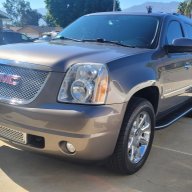
It’s like riding a bike, it comes back to you.
When you got it, use it. I am a proficient CDL and equipment operator. It’s in the blood.
I have not had to use my CDL for work for decades, but I keep it because it was a pain to get and you never know when you may need it again.
If nothing else, I have peace of mind that when I tow one of my antique cars in an enclosed trailer I never have to worry about being overweight for my license.
There have been instances where car owners towing to an event that have been pulled over and weighed and given tickets for being overweight for their class C.
Last time I used my CDL for money was when I drove a trash truck from an auction yard in Salt Lake to So Cal.
The striping business owner that bought it had all his CDL guys out on jobs so he asked if I could do him a favor and drive it back.
He paid me for driving, the flight out there and a hotel in St George.
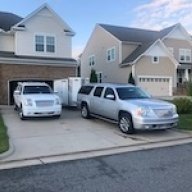
Washed the Yukon in preparation fir the trip back to WY.
If I leave early enough I will just do the whole drive in one shot, about 16 or 17 hours.
I've done it in one shot about 3 times.
If I leave early enough I will just do the whole drive in one shot, about 16 or 17 hours.
I've done it in one shot about 3 times.
I am at a loss, the first run the fuel pressure was up around 55 this time staying in the low 40's like it should, no difference, fuel trims are on 0 under a load
Miss under load is almost always a fuel delivery issue. How old is the pump? Or possibly some bad gas?I am at a loss, the first run the fuel pressure was up around 55 this time staying in the low 40's like it should, no difference, fuel trims are on 0 under a load
it's been doing that over several tanks of gas when I drove it from here to washington and back but the Tech2 did say volatality Low, unless I got bad gas across 3 statesMiss under load is almost always a fuel delivery issue. How old is the pump? Or possibly some bad gas?
I got gas here, redding, grants pass, salem, astoria. all did the same thing.
Fuel pressure is good I hooked the gauge up and watched it as I had my foot in it a few times. pump is about a year old oem.
first run the fuel pressure was high (50-55) for some reason (maybe because it was cold?)
fuel trims read 0 under a load if that means anything
when I stuck my phone out the window I was hoping it would catch the sound of the misfire but to much wind derp....
but I can hear it when it misfires, has a tink sound like if you were dropping small stones onto a metal plate.
I sent a log file to blackbear but not sure when I will hear from them pretty sure they are closed on the weekends.
my speculations are
1. electrical problem with maf
2 injectors (all of them)
3 coil packs (all of them)
4 crank position sensor
really no idea otherwise, just misfire codes and MAF code
I guess i could test the maf pins & harness but have no idea what I am looking for
@swathdiver do you have a diagnostic tree for testing the maf harness?
to me it is acting like the maf is bad i.e. not shifting properly, misfires, lean code.
but I can hear it when it misfires, has a tink sound like if you were dropping small stones onto a metal plate.
I sent a log file to blackbear but not sure when I will hear from them pretty sure they are closed on the weekends.
my speculations are
1. electrical problem with maf
2 injectors (all of them)
3 coil packs (all of them)
4 crank position sensor
really no idea otherwise, just misfire codes and MAF code
I guess i could test the maf pins & harness but have no idea what I am looking for
@swathdiver do you have a diagnostic tree for testing the maf harness?
to me it is acting like the maf is bad i.e. not shifting properly, misfires, lean code.
I forget what year it switched but if you have the return less fuel system. can probably see the requested fuel pressure vs the actual to rule out the weird 55psi and then 40psi. if the ecm is asking for it, it is what it is.
do you have access to any higher octane fuel to rule out its just a timing issue black bear got greedy with a worn valve train engine? if you have a 100 octane unleaded pump anywhere, you could put a few gals in on a low tank and see if the miss fire goes away. e85 might work but it can complicate things too
is it still running badly and is it retarding timing lot? one thing I find I don't like about the tech 2 is it just won't display everything I want to see at once. hptuners seems to be the best at logging multiple things at once. you can log like 30 things with just bit of delay
this is the same engine they pulled a head off at the dealer? might watch fuel trims with it idling and spray some brake clean around to check for vac leaks. efi responses to fast to hear a change like back in the carb days, but you'll see the trims and o2 v go crazy if you can watch and spray at the same time and find something.
do you have access to any higher octane fuel to rule out its just a timing issue black bear got greedy with a worn valve train engine? if you have a 100 octane unleaded pump anywhere, you could put a few gals in on a low tank and see if the miss fire goes away. e85 might work but it can complicate things too
is it still running badly and is it retarding timing lot? one thing I find I don't like about the tech 2 is it just won't display everything I want to see at once. hptuners seems to be the best at logging multiple things at once. you can log like 30 things with just bit of delay
this is the same engine they pulled a head off at the dealer? might watch fuel trims with it idling and spray some brake clean around to check for vac leaks. efi responses to fast to hear a change like back in the carb days, but you'll see the trims and o2 v go crazy if you can watch and spray at the same time and find something.
I'll add one more to your list: 5/ MAP sensor. If the sensor is not able to accurately provide the vacuum information to the ECU, strong rich or lean conditions will result across all cylinders.when I stuck my phone out the window I was hoping it would catch the sound of the misfire but to much wind derp....
but I can hear it when it misfires, has a tink sound like if you were dropping small stones onto a metal plate.
I sent a log file to blackbear but not sure when I will hear from them pretty sure they are closed on the weekends.
my speculations are
1. electrical problem with maf
2 injectors (all of them)
3 coil packs (all of them)
4 crank position sensor
really no idea otherwise, just misfire codes and MAF code
I guess i could test the maf pins & harness but have no idea what I am looking for
@swathdiver do you have a diagnostic tree for testing the maf harness?
to me it is acting like the maf is bad i.e. not shifting properly, misfires, lean code.
I'll add one more to your list: 5/ MAP sensor. If the sensor is not able to accurately provide the vacuum information to the ECU, strong rich or lean conditions will result across all cylinders.
I still question that it's showing the right value in the live data. no load at 1700 rpm should be a very high vacuum reading. but I'm not even sure which number to go by, map sensor or intake manifold kpa. I'd have to unplug the sensor while running to see which data goes bad and then do the math to see what the vacuum is in something on used to seeing.
that or go look at my own truck data lol. but I don't have it with me today.
I have my old one I replaced premptively and everything was running good, I save these things just for cases like thisI'll add one more to your list: 5/ MAP sensor. If the sensor is not able to accurately provide the vacuum information to the ECU, strong rich or lean conditions will result across all cylinders.
results.... basicaly no change. sorry for the wiggly video I don't have anything to hold my camera while driving, maybe some other relevant data here?
mikez71
Full Access Member
- Joined
- Mar 9, 2023
- Posts
- 3,248
- Reaction score
- 4,024
first run the fuel pressure was high (50-55) for some reason (maybe because it was cold?)
fuel trims read 0 under a load if that means anything
Looking at one of my logs, cold start (120deg coolant temp) fuel pressure 55psi for 10 seconds before ramping down to 43psi. (~2.5 seconds ramp)
ya that was wierd that mine was sitting on 50-55 and didn't go down until I cycled the key and hasn't done it again (yet)Looking at one of my logs, cold start (120deg coolant temp) fuel pressure 55psi for 10 seconds before ramping down to 43psi. (~2.5 seconds ramp)
normally it does the same, and did at startup but at some point while doing the test run it got bumped up
Here are the diagnostic procedures for the fuel system:I have my old one I replaced premptively and everything was running good, I save these things just for cases like this
results.... basicaly no change. sorry for the wiggly video I don't have anything to hold my camera while driving, maybe some other relevant data here?
FUEL SYSTEM DIAGNOSIS (FPCM)
Document ID: 2033853
Diagnostic Instructions
- Perform the Diagnostic System Check - Vehicle prior to using this diagnostic procedure.
- Review Strategy Based Diagnosis for an overview of the diagnostic approach.
- Diagnostic Procedure Instructions provides an overview of each diagnostic category.
Circuit/System Description
The engine control module (ECM) supplies voltage to the fuel pump control module (FPCM) when the ECM detects that the ignition is ON. The voltage from the ECM to the FPCM remains active for 2 seconds, unless the engine is in Crank or Run. While this voltage is being received, the FPCM closes the ground switch of the fuel pump and also supplies a varying voltage to the fuel tank pump modulein order to maintain the desired fuel rail pressure.The fuel system is an electronic returnless on-demand design. A returnless fuel system reduces the internal temperature of the fuel tank by not returning hot fuel from the engine to the fuel tank. Reducing the internal temperature of the fuel tank results in lower evaporative emissions.
The fuel tank stores the fuel supply. An electric turbine style fuel pump is contained by the fuel pump module inside the fuel tank. The fuel pump supplies high pressure fuel through the fuel filter and the fuel feed pipe to the fuel injection system. The fuel pump also supplies fuel to a venturi pump located on the bottom of the fuel pump module. The function of the venturi pump is to fill the fuel pump module reservoir. The fuel pump module contains a reverse flow check valve. The check valve maintains fuel pressure in the fuel feed pipe and the fuel rail in order to prevent long cranking times.
Reference Information
Description and OperationFuel System Description
Electrical Information Reference
- Circuit Testing
- Connector Repairs
- Testing for Intermittent Conditions and Poor Connections
- Wiring Repairs
Control Module References for scan tool information
Special Tools
- CH-48027 - Digital Pressure Gauge
- J 37287 - Fuel Line Shut-off Adapter
Circuit/System Verification
Note:- Repair all fuel system related DTCs before performing this diagnostic, unless instructed here from a DTC.
- Inspect the fuel system for damage or external leaks before proceeding.
- Verify that adequate fuel is in the fuel tank before proceeding.
- The fuel pump may need to be commanded ON a few times in order to obtain the highest possible fuel pressure.
- Before proceeding with this test review the User Manual CH 48027-5 for Safety Information and Instructions.
- DO NOT perform the Fuel System Diagnosis if the engine coolant temperature is above 60°C (150°F). High fuel pressure readings may result due to hot soak fuel boiling. With the engine OFF, the fuel pressure may increase beyond the pressure relief valves set point of 690 kPa ±5 % (100 psi ±5 %).
- Ignition OFF, all accessories OFF, install the CH-48027 - Digital Pressure Gauge . Refer to Fuel Pressure Gauge Installation and Removal.
- Ignition ON, engine OFF, command the FPCM Fuel Pump ON with a scan tool. Verify the fuel pressure is between 345–690 kPa (50–100 psi) with the pump running.
- Engine idling at the normal operating temperature, Verify the FPCM scan tool Fuel Rail Pressure Sensor parameter is between 296–310 kPa (43–45 psi).
Circuit/System Testing
- Note:
- The fuel pump may need to be commanded ON a few times in order to obtain the highest possible fuel pressure.
- DO NOT start the engine.
- Ignition ON, engine OFF, command the FPCM Fuel Pump ON with a scan tool and observe the fuel pressure gauge while the fuel pump is operating. Verify the fuel pressure is between 345–690 kPa (50–100 psi).
- If the fuel pressure is greater than the specified range, replace the fuel tank fuel pump module.
- If the fuel pressure is less than the specified range, test, inspect, and repair the items listed below. If all items test normal, replace the fuel tank fuel pump module.
- Restricted fuel feed pipe
- Inspect the harness connectors and the ground circuits of the fuel pump for poor connections.
- After the fuel pump is turned OFF, verify the fuel pressure stabilizes between 500–599 kPa (72–87 psi).
- If greater than the specified range, replace the fuel tank fuel pump module.
- After the fuel pump is turned OFF, verify the fuel pressure does not decrease more than 34 kPa (5 psi) in 1 minute.
- If the pressure decreases more than the specified value, perform the following procedure:
- Ignition OFF, relieve the fuel pressure. Refer to Fuel Pressure Relief.
- Install the J 37287 - Fuel Line Shut-off Adapter between the fuel feed pipe and the fuel rail.
- Open the valve on the J 37287 - Fuel Line Shut-off Adapter .
- Ignition ON, command the FPCM Fuel Pump ON with a scan tool and bleed the air from the CH-48027 - Digital Pressure Gauge .
- Command the FPCM Fuel Pump ON and then OFF with a scan tool.
- Close the valve on the J 37287 - Fuel Line Shut-off Adapter .
- Monitor the fuel pressure for 1 minute.
- If the fuel pressure decreases more than 34 kPa (5 psi) within the specified time, locate and replace the leaking fuel injector(s).
- If the fuel pressure does not decrease more than 34 kPa (5 psi) within the specified time, replace the fuel tank fuel pump module.
- Relieve the fuel pressure to 69 kPa (10 psi). Verify that the fuel pressure does not decrease more than 14 kPa (2 psi) in 5 minutes.
- If the fuel pressure decreases more than the specified value, replace the fuel tank fuel pump module.
- Operate the vehicle within the conditions of the customer's concern while monitoring the fuel pressure with the CH-48027 - Digital Pressure Gauge . The fuel pressure should not drop off during acceleration, cruise or hard cornering.
- If the fuel pressure drops off, test, inspect, and repair the items listed below. If all items test normal, replace the fuel tank fuel pump module.
- Restricted fuel feed pipe
- Inspect the harness connectors and the ground circuits of the fuel pump for poor connections
- If the fuel system tests normal, refer to Symptoms - Engine Controls.
ELECTRONIC IGNITION SYSTEM DIAGNOSIS
Document ID: 1959162
Engine Controls Schematics
Connector End View Reference
Component Connector End Views
Electrical Information Reference
Control Module References for scan tool information
Special Tools
Document ID: 1959162
Diagnostic Instructions
- Perform the Diagnostic System Check - Vehicle prior to using this diagnostic procedure.
- Review Strategy Based Diagnosis for an overview of the diagnostic approach.
- Diagnostic Procedure Instructions provides an overview of each diagnostic category.
Circuit/System Description
This ignition system uses individual ignition module/coil assemblies for each cylinder. The engine control module (ECM) controls the spark events by transmitting the timing pulses on the ignition control (IC) circuits to the individual ignition module/coil assemblies in firing order sequence. Each ignition module/coil has the following circuits:- An ignition 1 voltage circuit
- A ground circuit
- An IC circuit
- A low reference circuit
Diagnostic Aids
- This test procedure requires that the vehicle battery has passed a load test and is completely charged.
- There is an adequate supply of fuel in the fuel tank.
- When disconnecting electrical connectors or removing fuses and relays from a fuse block, always inspect both mating electrical terminals for corrosion and terminal tightness.
- Use the J 35616-A/BT-8637 - Connector Test Adapter Kit for any test that requires probing the underhood fuse block terminals, component wire harness terminals, or the ECM wire harness terminals.
Reference Information
Schematic ReferenceEngine Controls Schematics
Connector End View Reference
Component Connector End Views
Electrical Information Reference
- Circuit Testing
- Connector Repairs
- Testing for Intermittent Conditions and Poor Connections
- Wiring Repairs
Control Module References for scan tool information
Special Tools
- J 26792 - Spark Plug Tester
- J 35616-A/BT-8637 - Connector Test Adapter Kit
Circuit/System Verification
Observe the Engine Controls Schematic for the ignition module/coils, and review the Ignition System Specifications to verify the following concerns:- The ignition modules/coils are correctly wired and connected
- The proper spark plug type
- The proper spark plug gap and torque
- The proper ohm values for the spark plug wires
Refer to Ignition System Specifications.
Circuit/System Testing
- Turn OFF the ignition.
- Note: This engine application uses 2 fuses, one for each bank, to supply ignition 1 voltage to the ignition module/coil assemblies and also to the fuel injectors. A good indication that a fuse is open is that all 4 misfire counters are incrementing on one side of the engine
- Inspect both fuses that supply ignition voltage to the ignition module/coils.
- If a fuse is open, test all 8 ignition voltage circuits to the ignition module/coils or the fuel injectors on that engine bank, for a short to ground.
- Disconnect the 4 ignition module/coil, and the 4 fuel injector electrical connectors, for the engine bank that has the open fuse.
- Replace the open fuse with a new fuse.
- Ignition ON, engine OFF.
- Reconnect each ignition module/coil, and fuel injector electrical connectors, one at a time.
- If the fuse opens when connecting an ignition module/coil or fuel injector electrical connector, then replace the component that caused the fuse to open.
- Ignition OFF, disconnect the appropriate ignition module/coil electrical connector.
- Ignition ON, verify that a test lamp illuminates between the ignition voltage circuit and ground.
- If the test lamp does not illuminate test the ignition voltage circuit for an open/high resistance.
- Verify that a test lamp illuminates between the ignition module/coil ground circuit and B+.
- If the test lamp does not illuminate, test the ignition module/coil ground circuit for an open/high resistance.
- Inspect and measure the resistance of the spark plug wire. Refer to Spark Plug Wire Inspection and Ignition System Specifications.
- If the resistance value is not within the specified range, or does not pass the inspection, replace the spark plug wire.
- Exchange the misfiring cylinder, ignition module/coil assembly with the ignition module/coil assembly from a non-misfiring cylinder.
- Start and idle the engine. Observe the misfire counters on the scan tool.
- If the misfire transfers with the suspect ignition module/coil, then replace the ignition module/coil assembly.
- If the misfire does not transfer with the suspect ignition module/coil, then measure the resistance of the IC circuit. The IC circuit should measure less than 5 ohms. If the circuit tests normal, replace the ECM.
Component Testing
- Use the Spark Plug Inspection procedure to verify the integrity of the spark plugs. Refer to Spark Plug Inspection. Replace the spark plug if necessary.
- Note: An erratic or weak spark is considered a no spark condition.
- Use the J 26792 - Spark Plug Tester to verify the output of each ignition module/coil. If no spark is detected across the gap of the spark plug tester, then replace the ignition module/coil assembly.
SYMPTOMS - ENGINE CONTROLS
Document ID: 2655294
Fuel ignites in the intake manifold or in the exhaust system, making a loud popping noise.
Cuts Out, Misses
A steady pulsation or jerking that follows engine speed, which is usually more pronounced as the engine load increases. This condition is not normally felt above 1500 RPM or 48 km/h (30 mph). The exhaust has a steady spitting sound at idle or at low speed.
Engine Control Module (ECM) Reduced Engine Power
The ECM illuminates the Reduced engine Power lamp and will limit engine power under potential engine/vehicle damaging or emissions related conditions. A DTC may not be set.
Detonation/Spark Knock
A mild to severe ping which usually occurs worse while under acceleration. The engine makes sharp metallic knocks that change with throttle opening.
Dieseling, Run-On
The engine continues to run after the key is turned OFF, but runs very rough.
Hard Start
Engine cranks OK, but does not start for a long time. The vehicle does eventually run, or may start but immediately stalls.
Hesitation, Sag, Stumble
Momentary lack of response as the accelerator is pushed down. This condition can occur at any vehicle speed. This condition is usually more pronounced when first trying to make the vehicle move, as from a stop. This condition may cause the engine to stall in severe conditions.
Lack of Power, Sluggishness, or Sponginess
The engine delivers less than expected power. Little or no increase in speed when the accelerator pedal is pushed down part way.
Poor Fuel Economy
Fuel economy, as measured by an actual road test, is noticeably lower than expected. Also, the fuel economy is noticeably lower than it was on this vehicle at one time, as previously shown by an actual road test.
Rough, Unstable, or Incorrect Idle and Stalling
The engine runs unevenly at idle. If severe, the engine or the vehicle may shake. Engine idle may vary in speed. Either condition may be severe enough to stall the engine.
Surges/Chuggles
Engine power variation under steady throttle or cruise. Feels like the vehicle speeds up and slows down with no change in the accelerator pedal position.
Many intermittent conditions occur with harness or connector movement due to engine torque, rough pavement, vibration or physical movements of a component. Refer to the following for a list of issues that may cause an intermittent condition:
Under certain conditions the engine control module may limit engine power by reducing engine torque and, for some vehicles, fuel pressure as well. For most, but not all of the conditions, the engine control module will illuminate the reduced engine power lamp on the instrument cluster. If equipped with the driver information center feature, a reduced engine power message may be displayed as well. A DTC may not be set.
A repair may not be necessary. Observe the scan tool Reduced Engine Power History parameter or refer to K20 Engine Control Module: Scan Tool Information to determine the reason for the reduced engine power event.
Verify or inspect for the following:
Document ID: 2655294
Diagnostic Instructions
- Perform the Diagnostic System Check - Vehicle prior to using this diagnostic procedure.
- Review Strategy Based Diagnosis for an overview of the diagnostic approach.
- Diagnostic Procedure Instructions provide an overview of each diagnostic category.
Symptoms Description
Symptoms cover conditions that are not covered DTCs. Certain conditions can cause multiple symptoms. These conditions are listed together under Symptoms Testing. Conditions that may only cause certain symptoms are listed separately under Additional Symptoms Test. Perform the Symptoms Testing before using the Additional Symptoms Tests. Poor Fuel Fill Quality test may be performed separately from the Symptoms Testing and Additional Symptoms Tests procedures.Symptoms Definition
BackfireFuel ignites in the intake manifold or in the exhaust system, making a loud popping noise.
Cuts Out, Misses
A steady pulsation or jerking that follows engine speed, which is usually more pronounced as the engine load increases. This condition is not normally felt above 1500 RPM or 48 km/h (30 mph). The exhaust has a steady spitting sound at idle or at low speed.
Engine Control Module (ECM) Reduced Engine Power
The ECM illuminates the Reduced engine Power lamp and will limit engine power under potential engine/vehicle damaging or emissions related conditions. A DTC may not be set.
Detonation/Spark Knock
A mild to severe ping which usually occurs worse while under acceleration. The engine makes sharp metallic knocks that change with throttle opening.
Dieseling, Run-On
The engine continues to run after the key is turned OFF, but runs very rough.
Hard Start
Engine cranks OK, but does not start for a long time. The vehicle does eventually run, or may start but immediately stalls.
Hesitation, Sag, Stumble
Momentary lack of response as the accelerator is pushed down. This condition can occur at any vehicle speed. This condition is usually more pronounced when first trying to make the vehicle move, as from a stop. This condition may cause the engine to stall in severe conditions.
Lack of Power, Sluggishness, or Sponginess
The engine delivers less than expected power. Little or no increase in speed when the accelerator pedal is pushed down part way.
Poor Fuel Economy
Fuel economy, as measured by an actual road test, is noticeably lower than expected. Also, the fuel economy is noticeably lower than it was on this vehicle at one time, as previously shown by an actual road test.
Rough, Unstable, or Incorrect Idle and Stalling
The engine runs unevenly at idle. If severe, the engine or the vehicle may shake. Engine idle may vary in speed. Either condition may be severe enough to stall the engine.
Surges/Chuggles
Engine power variation under steady throttle or cruise. Feels like the vehicle speeds up and slows down with no change in the accelerator pedal position.
Symptoms Verification
Before using the Symptom tables, perform the following inspections:- Verify the engine control module (ECM) and malfunction indicator lamp (MIL) are operating correctly.
- Verify there are no DTCs that are stored.
- Verify the scan tool data is within a normal operating range. Refer to Control Module References for scan tool information.
- Verify the customer concern.
- Perform the Visual/Physical Inspection in this section. The visual/physical inspection is extremely important, and can lead to correcting a condition without additional testing. It may also help reveal the cause of an intermittent condition.
Many intermittent conditions occur with harness or connector movement due to engine torque, rough pavement, vibration or physical movements of a component. Refer to the following for a list of issues that may cause an intermittent condition:
- Moisture and water intrusion in connectors, terminals, and components
- Incomplete connector mating
- Poor terminal contact
- High circuit or component resistance—High resistance can include any resistance, regardless of the amount, which can interrupt the operation of the component.
- Harness that is too short or tight
- Wire insulation that is chaffed or cut
- High or low ambient temperature
- High or low engine coolant temperatures
- High underhood temperatures
- Heat build up in component or circuit due to circuit resistance, poor terminal contact, or high electrical load
- High or low system voltage
- High vehicle load conditions
- Rough road surfaces
- Electro-magnetic interference (EMI)/circuit interference from relays, solenoids or other electrical surge
- Incorrect installation of aftermarket, add on accessories
- Visual/Physical Check
- Verify the control module grounds are clean, tight, and correctly located.
- Verify the vacuum hoses are not split or kinked, and are properly connected, as shown on the Vehicle Emission Control Information label.
- Verify the air filter is clean and free from restrictions.
- Verify there is no water intrusion in connectors terminals and components.
- Inspect the air intake ducts for the following conditions:
- Collapsed
- Damaged areas
- Looseness
- Incorrect installation
- Leaking
- Inspect for air leaks at the throttle body mounting area, the mass air flow (MAF) sensor and intake manifold sealing surfaces.
- Inspect the wiring harness for the following conditions:
- Poor connections
- Pinches
- Cuts
- Inspect for loose, damaged, unseated, or missing sensors/components.
- Inspect the terminals for corrosion and correct contact.
Symptoms Testing
- Backfire, Cuts Out/Misses, Detonation/Spark Knock, Dieseling/Run-On, Engine Control Module (ECM) Commanded Reduced Engine Power, Fuel Odor, Hard Start, Hesitation/Sag/Stumble, Lack of Power/Sluggishness/Sponginess, Poor Fuel Economy, Rough, Unstable, or Incorrect Idle and Stalling, or Surges/Chuggles
- Test the fuel system for the following:
- Incorrect fuel system operation and pressure—Refer to Fuel System Diagnosis
- Fuel injectors incorrectly connected. Verify each injector is connected to the correct fuel injector harness connector.
- Incorrectly operating or leaking fuel injectors—Refer to Fuel Injector Diagnosis.
- Poor fuel quality condition—Refer to Alcohol/Contaminants-in-Fuel Diagnosis.
- Test the ignition system for the following conditions:
- Spark plugs with incorrect heat range or an abnormal condition—Refer to Spark Plug Inspection and Ignition System Specifications.
- Coolant or oil fouled spark plugs—For diagnosis, refer to Coolant in Combustion Chamber or Oil Consumption Diagnosis.
- Secondary ignition system susceptible to moisture. Wet down the secondary ignition system with water from a spray bottle to help locate damaged or deteriorated components. Look/listen for arcing or misfiring as the water is applied.
- Weak spark using the J-26792 - Spark Tester —Refer to Electronic Ignition System Diagnosis.
- Inspect for the following conditions:
- Incorrectly operating transmission torque converter clutch (TCC)—The scan tool should indicate an engine speed drop when the TCC is commanded ON.
- Incorrectly operating A/C compressor
- Items that can cause an engine to run rich or lean—Refer to DTC P0171, P0172, P0174, or P0175 for more information.
- Slow responding heated oxygen sensors (HO2S). The HO2S should respond quickly to different throttle positions—Refer to DTC P0133, P013A-P013F, P014A, P014B, P0153, P015A, P015B, P015C, or P015D for more information.
- Caution: Refer to Heated Oxygen and Oxygen Sensor Caution.
- Water intrusion in the HO2S connector
- Incorrec tlyoperating cylinder deactivation system, if equipped. Refer to Cylinder Deactivation (Active Fuel Management) System Diagnosis.
- Note: The embossed arrows on the mass airflow (MAF) sensor indicate the direction of the intake air flow. The arrows must point toward the engine.
- Incorrect MAF sensor installation. A MAF sensor that is incorrectly installed may cause a hard start. Install the MAF in the proper direction. Refer to Mass Airflow Sensor with Intake Air Temperature Sensor Replacement.
- Incorrect MAF sensor connections.
- Engine oil contaminated by fuel
- Split or kinked vacuum hoses—Verify that the routing and connections are as shown on the Vehicle Emission Control Information label.
- Excessive knock sensor (KS) system spark retard activity—Refer to DTC P0324, P0325, P0326, P0327, P0328, P0330, P0332, or P0333.
- Electromagnetic interference (EMI) on the reference circuit, which can cause a misfire condition. You can usually detect EMI with a scan tool by monitoring the engine speed parameter. A sudden increase in the engine speed parameter with little change in actual engine speed indicates that EMI is present. Inspect the high voltage components near the ignition control circuit if a condition exists.
- Incorrectly operating crankcase ventilation valve—Refer to Crankcase Ventilation System Inspection/Diagnosis.
- A stuck open evaporative emission (EVAP) canister purge solenoid.
- Inspect the exhaust system components for the following conditions:
- Physical damage or possible internal failure
- Restricted three-way catalytic converters.
For more information, refer to Symptoms - Engine Exhaust.
- Inspect the engine cooling system for the following conditions:
- A thermostat with incorrect heat range. Refer to Thermostat Diagnosis.
- Improper engine coolant level—Refer to Cooling System Draining and Filling.
- Inspect the engine for the following mechanical conditions:
- Excessive oil in the combustion chamber or leaking valve seals
- Incorrect cylinder compression
- Sticking or leaking valves
- Worn camshaft lobes
- Incorrect valve timing
- Worn rocker arms
- Broken valve springs
- Excessive carbon buildup in the combustion chambers—Clean the chambers with top engine cleaner, if necessary. Follow the instructions on the can.
- Incorrect engine parts
For more information, refer to Symptoms - Engine Mechanical.
- If the above conditions do not address the symptom, refer to the additional symptoms tests.
Additional Symptoms Tests
- Detonation/Spark Knock
- Test the engine for an overheating condition. Refer to Symptoms - Engine Cooling.
- Inspect for excessive carbon buildup in the combustion chambers. Clean the chambers with Top Engine Cleaner, if necessary. Follow the instructions on the can.
- If there are no engine mechanical faults, fill the fuel tank with a known high quality fuel that meets the vehicle minimum octane requirements.
Under certain conditions the engine control module may limit engine power by reducing engine torque and, for some vehicles, fuel pressure as well. For most, but not all of the conditions, the engine control module will illuminate the reduced engine power lamp on the instrument cluster. If equipped with the driver information center feature, a reduced engine power message may be displayed as well. A DTC may not be set.
A repair may not be necessary. Observe the scan tool Reduced Engine Power History parameter or refer to K20 Engine Control Module: Scan Tool Information to determine the reason for the reduced engine power event.
Verify or inspect for the following:
- Vehicle being driven inappropriately. Towing heavy loads up an incline for an extended period of time or operating the vehicle at sustained, excessively high engine speeds may cause the engine oil or coolant to overheat. Inspect the airflow passageways in front of the engine for obstructions and clear away any debris or foreign material that is found. If no obstructions or conditions are found, review approved driving habits with the customer. The customer may need to operate the vehicle at a higher engine speed to improve cooling system performance, or, at a slower engine speed to reduce engine load.
- Reduced engine power due to OnStar® remote command. Verify the vehicle is not in the OnStar® initiated Stolen Vehicle Slowdown mode. Refer to Remote Vehicle Speed Limiting Description and Operation and OnStar Stolen Vehicle Slowdown Active.
- Fuel Odor
- Inspect for a saturated EVAP canister—Refer to Evaporative Emission Control System Description.
- Inspect for leaking, damaged, or deteriorated fuel lines and components.
- Inspect for a condition with the internal components of the fuel tank assembly—Refer to Fuel System Description.
- Hard Start
- Observe the TB Idle Airflow Compensation parameter with a scan tool. A value greater than 90% may indicate an excessive accumulation of deposits in the throttle bore. Inspect the throttle body and bore and clean, if necessary. Refer to Throttle Body Cleaning.
- Test the engine coolant temperature (ECT) sensor. Compare the ECT sensor value to the intake air temperature (IAT) sensor value on a cold engine. The ECT and IAT sensor values should be within ± 3°C (5°F). If the ECT sensor is out of range with the IAT sensor, test the resistance of the ECT sensor. Refer to Temperature Versus Resistance for resistance specifications. Replace the ECT sensor if the resistance is not within specification. Refer to Engine Coolant Temperature Sensor Replacement. If the sensor is within the specification, test the ECT circuits for a high resistance.
- Verify that the fuel pump operates and provides adequate pressure for engine startup. The fuel pump should turn ON for 2 s when the ignition is turned to ON. Refer to Fuel System Diagnosis for fuel pressure specifications and testing procedures.
- Hesitation, Sag, Stumble
- Test the fuel pressure. Refer to Fuel System Diagnosis for fuel pressure specifications and testing procedures. .
- Test the generator. Refer to Symptoms - Engine Electrical. Repair the charging system if the generator output voltage is less than 9 volts or more than 16 volts.
- Test the manifold absolute pressure (MAP) sensor. Refer to DTC P0106.
- Poor Fuel Economy
- Inspect for heavy loads being carried or towed.
- Inspect for acceleration rate too much or too often.
- Inspect the brake system for brake drag.
- Inspect for incorrect operation of the speedometer.
- Observe the TB Idle Airflow Compensation parameter with a scan tool. A value greater than 90% may indicate an excessive accumulation of deposits in the throttle bore. Inspect the throttle body and bore and clean, if necessary. Refer to Throttle Body Cleaning.
- Rough, Unstable, or Incorrect Idle and Stalling
- Observe the TB Idle Airflow Compensation parameter with a scan tool. A value greater than 90% may indicate an excessive accumulation of deposits in the throttle bore. Inspect the throttle body and bore and clean, if necessary. Refer to Throttle Body Cleaning.
- Inspect the engine mounts—Refer to Engine Mount Inspection.
- Surges/Chuggles
- Inspect the mass air flow (MAF) sensor for obstruction, contamination, and damage—Refer to DTC P0101 and DTC P0102 or P0103 for more information.
- Inspect for slow responding heated oxygen sensors (HO2S). The HO2S should respond quickly to a change in throttle position. If the HO2S do not respond to different throttle positions, inspect for contamination from fuel, silicon, or the incorrect use of RTV sealant. The sensors may have a white powdery coating and result in a high, but false, signal voltage, which gives a rich exhaust indication. The ECM reduces the amount of fuel delivered to the engine, causing a driveability condition—Refer to DTC P0133, P013A-P013F, P014A, P014B, P0153, P015A, P015B, P015C, or P015D for more information.
fuel pressure appears to be normal, except that one instance where it was high about 10 psi, could have been heat related maybe? I had just did several high rpm pulls and was sitting parked. I still have the gauge sitting under the wiper and it did not do it again, I am trying to not beat on it too hard while testing in case it is causing any damage.Here are the diagnostic procedures for the fuel system:
FUEL SYSTEM DIAGNOSIS (FPCM)
Document ID: 2033853
Diagnostic Instructions
- Perform the Diagnostic System Check - Vehicle prior to using this diagnostic procedure.
- Review Strategy Based Diagnosis for an overview of the diagnostic approach.
- Diagnostic Procedure Instructions provides an overview of each diagnostic category.
Circuit/System Description
The engine control module (ECM) supplies voltage to the fuel pump control module (FPCM) when the ECM detects that the ignition is ON. The voltage from the ECM to the FPCM remains active for 2 seconds, unless the engine is in Crank or Run. While this voltage is being received, the FPCM closes the ground switch of the fuel pump and also supplies a varying voltage to the fuel tank pump modulein order to maintain the desired fuel rail pressure.
The fuel system is an electronic returnless on-demand design. A returnless fuel system reduces the internal temperature of the fuel tank by not returning hot fuel from the engine to the fuel tank. Reducing the internal temperature of the fuel tank results in lower evaporative emissions.
The fuel tank stores the fuel supply. An electric turbine style fuel pump is contained by the fuel pump module inside the fuel tank. The fuel pump supplies high pressure fuel through the fuel filter and the fuel feed pipe to the fuel injection system. The fuel pump also supplies fuel to a venturi pump located on the bottom of the fuel pump module. The function of the venturi pump is to fill the fuel pump module reservoir. The fuel pump module contains a reverse flow check valve. The check valve maintains fuel pressure in the fuel feed pipe and the fuel rail in order to prevent long cranking times.
Reference Information
Description and Operation
Fuel System Description
Electrical Information Reference
Scan Tool Reference
- Circuit Testing
- Connector Repairs
- Testing for Intermittent Conditions and Poor Connections
- Wiring Repairs
Control Module References for scan tool information
Special Tools
- CH-48027 - Digital Pressure Gauge
- J 37287 - Fuel Line Shut-off Adapter
Circuit/System Verification
Note:
- Repair all fuel system related DTCs before performing this diagnostic, unless instructed here from a DTC.
- Inspect the fuel system for damage or external leaks before proceeding.
- Verify that adequate fuel is in the fuel tank before proceeding.
- The fuel pump may need to be commanded ON a few times in order to obtain the highest possible fuel pressure.
- Before proceeding with this test review the User Manual CH 48027-5 for Safety Information and Instructions.
- DO NOT perform the Fuel System Diagnosis if the engine coolant temperature is above 60°C (150°F). High fuel pressure readings may result due to hot soak fuel boiling. With the engine OFF, the fuel pressure may increase beyond the pressure relief valves set point of 690 kPa ±5 % (100 psi ±5 %).
- Ignition OFF, all accessories OFF, install the CH-48027 - Digital Pressure Gauge . Refer to Fuel Pressure Gauge Installation and Removal.
- Ignition ON, engine OFF, command the FPCM Fuel Pump ON with a scan tool. Verify the fuel pressure is between 345–690 kPa (50–100 psi) with the pump running.
- Engine idling at the normal operating temperature, Verify the FPCM scan tool Fuel Rail Pressure Sensor parameter is between 296–310 kPa (43–45 psi).
Circuit/System Testing
- Note:
- The fuel pump may need to be commanded ON a few times in order to obtain the highest possible fuel pressure.
- DO NOT start the engine.
- Ignition ON, engine OFF, command the FPCM Fuel Pump ON with a scan tool and observe the fuel pressure gauge while the fuel pump is operating. Verify the fuel pressure is between 345–690 kPa (50–100 psi).
- If the fuel pressure is greater than the specified range, replace the fuel tank fuel pump module.
- If the fuel pressure is less than the specified range, test, inspect, and repair the items listed below. If all items test normal, replace the fuel tank fuel pump module.
- Restricted fuel feed pipe
- Inspect the harness connectors and the ground circuits of the fuel pump for poor connections.
- After the fuel pump is turned OFF, verify the fuel pressure stabilizes between 500–599 kPa (72–87 psi).
- If greater than the specified range, replace the fuel tank fuel pump module.
- After the fuel pump is turned OFF, verify the fuel pressure does not decrease more than 34 kPa (5 psi) in 1 minute.
- If the pressure decreases more than the specified value, perform the following procedure:
- Ignition OFF, relieve the fuel pressure. Refer to Fuel Pressure Relief.
- Install the J 37287 - Fuel Line Shut-off Adapter between the fuel feed pipe and the fuel rail.
- Open the valve on the J 37287 - Fuel Line Shut-off Adapter .
- Ignition ON, command the FPCM Fuel Pump ON with a scan tool and bleed the air from the CH-48027 - Digital Pressure Gauge .
- Command the FPCM Fuel Pump ON and then OFF with a scan tool.
- Close the valve on the J 37287 - Fuel Line Shut-off Adapter .
- Monitor the fuel pressure for 1 minute.
- If the fuel pressure decreases more than 34 kPa (5 psi) within the specified time, locate and replace the leaking fuel injector(s).
- If the fuel pressure does not decrease more than 34 kPa (5 psi) within the specified time, replace the fuel tank fuel pump module.
- Relieve the fuel pressure to 69 kPa (10 psi). Verify that the fuel pressure does not decrease more than 14 kPa (2 psi) in 5 minutes.
- If the fuel pressure decreases more than the specified value, replace the fuel tank fuel pump module.
- Operate the vehicle within the conditions of the customer's concern while monitoring the fuel pressure with the CH-48027 - Digital Pressure Gauge . The fuel pressure should not drop off during acceleration, cruise or hard cornering.
- If the fuel pressure drops off, test, inspect, and repair the items listed below. If all items test normal, replace the fuel tank fuel pump module.
- Restricted fuel feed pipe
- Inspect the harness connectors and the ground circuits of the fuel pump for poor connections
- If the fuel system tests normal, refer to Symptoms - Engine Controls.
at any rate it did not appear to make any difference I am still having the same issue (misfires) with normal fuel psi in the low 40's psi range.
when it does all the misfires the fuel pressure on the manual gauge still reads 40+
mikez71
Full Access Member
- Joined
- Mar 9, 2023
- Posts
- 3,248
- Reaction score
- 4,024
noticed this setting that claims a failed IAT or ECT sensor might put it into the 400kpa range (58psi)ya that was wierd that mine was sitting on 50-55 and didn't go down until I cycled the key and hasn't done it again (yet)
normally it does the same, and did at startup but at some point while doing the test run it got bumped up
Also High Flow mode.. Or Hot Fuel setting maybe..
I feel like if your fuel trims and O2 looks OK, pressure is good.. Don't really feel like it's a fueling issue..
You mentioned a tinkly sound? no knock retard?

swathdiver
Full Access Member
@Doubeleive So your fuel pressure is running at 55 psi? Is that commanded as well? Either way, I've never seen with any of mine, they always run 43.5 psi at idle and at WOT.
What is your Fuel Pump's LT Trim? I believe this is way to gauge the pump's health.
What is your Fuel Pump's LT Trim? I believe this is way to gauge the pump's health.
haven't looked at the knock or ignition data yet, guess that's next up. trying to update efi on my tablet and connect the autocal with usb and do a recording.noticed this setting that claims a failed IAT or ECT sensor might put it into the 400kpa range (58psi)
Also High Flow mode.. Or Hot Fuel setting maybe..
View attachment 434937
I feel like if your fuel trims and O2 looks OK, pressure is good.. Don't really feel like it's a fueling issue..
You mentioned a tinkly sound? no knock retard?
Similar threads
- Replies
- 6
- Views
- 1K


- Replies
- 3
- Views
- 4K

- Replies
- 56
- Views
- 12K


