I have the installation tool but it is only necessary to use to center the plate with no main seal installed in the plate. The plate gasket is many times the actual RMS leak so it is ALWAYS best to remove the plate. Clean it, install the new Rear Main seal and reinstall the seal and plate as one unit with the brand new plate gasket. I use Fel Pro for the RMS and the Plate Gasket. Have yet to see one leak.
The crankshaft should be cleaned perfectly before install. A light sand with some 600 grip wet and dry sand paper to remove the old teflon on the shaft and to make damn sure there is no possible sharp nick or lip on the crank that could scratch the new teflon rear main seal when you install it.
Clean all the gasket surfaces equally well. Block, Oil Pan bottom, RMS Plate so they are ready for a good install.
All the rear main LS style seals I have installed I put the new seal in the rear main plate and then install the RMS plate with the seal in place. Let the seal center the plate perfectly.
The teflon seal will do its best to center itself if you just let it and then carefully tighten the cover into place.
A little tricky to do as you slip the plate and seal on. No Oil or grease of any kind is used to lubricate a Teflon Seal or the crankshaft seal surface for install.
Most teflon seals are sold with a plastic installation tool that holds the teflon seal in the proper shape for install. Keep the plastic tool in place until the crank pushes the tool out as you install the RMS plate to the block.
This is important as the teflon will start to lay out flat and loose its shape if the plastic tool is removed. If you let it expand out flat or lose some shape your install gets more difficult so keep the install tool in place, it also protects the teflon from damage. Teflon scratches easily. A scratch = a leak
Look very hard at the old seal, take pictures because it is very easy to install the new seal in the seal plate backwards. Teflon seals have very fine threads on the sealing surface. The threads in the seal actually push oil on the crankshaft back into the engine. Put the seal in backwards and it will pull oil out! This is why automotive teflon seals can't be used on reverse rotation engines. (marine use)
You will need a small bead of silicone at the two corners of the rear plate so put a small touch of silicone on the engine block right where the Oil Pan corners touch the rear of the block. You don't want a leak path at the intersection of the Pan, Plate and block. Just a small dab is all that is needed at the corners. Any excess is just a mess not a better seal.
As you put the plate up for the new install it takes a pretty solid push to get the teflon seal to expand as it slips over the crankshaft seal surface.
Once the plate is on the block start installing the plate bolts but not the lower 2 very long bolts yet. Do not use a power tool. Spin the upper bolts in till they make contact but don't tighten any bolts till all screws are in and touching the plate and you can see the plate is still square to the block.
I start with the bolts that surround the area of the RMS. Bring them in slowly maybe a turn each as you watch the plate start to draw down to the block. There is no rush at this point, slow will get it done quickly and right.
As you start to think the plate is nearly tight work your way around all the other upper bolts to get them to the same tension as the bolts surrounding the RMS itself. no more than finger tight at this point.
Now check and see if you can install the 2 lower long bolts in the rear of the oil pan. If they start to thread in you are close. If they don't thread in the plate is not yet up against the block. Do not tighten the lower 2 yet just make sure they are able to thread in. If they thread in do not even go finger tight yet.
Lower bolts are now in but loose, this tells you the plate is properly up against the block. Go ahead and torque all the upper bolts now following torque spec and pattern. I think a three step torque will keep the plate square and avoid any damage while keeping the seal centered. Once all upper bolts are torqued to full spec you can now tighten the lower 2 long bolts to spec. That is it. Plate is torqued, Seal has centered itself. IF you tighten the lower 2 pan bolts first the seal will be pulled down, egg shape and cause a leak eventually.
The new teflon seal will break in to the crank on start up. Some teflon impregnates into the dry crank surface and creates a near zero drag zero leak seal that can last longer than any Viton or other type seal. Main advantage is Teflon never puts a groove in the crankshaft seal surface.
If you are super careful and use a good pattern of tightening the many short bolts you can suck the cover in to the engine without distorting the RMS or cracking the cover plate. Don't laugh. A boatload of these rear cover plates are sold every year many due to a bad mechanic or bad install technique.
Some of the Rear Main Seal cover plates installed by GM had a weak design and tend to crack and can be the source of your leak. GM has a new design cover plate that is thicker and no longer cracks. GM sells it with the new seal installed ready for you to install.
Study your old cover plate before re using it if you think it has damage or crack certainly get a new one.
Clean and Dry Teflon seals install is very hard to accept if you have not been exposed or trained on teflon. Teflon seals first came out to give Detroit Diesel, Cummins, International etc a far better rear main seal option 30 years ago. GM Ford and many other companies switched to Teflon rear main seals back in the late 90's. EVERY SINGLE one of these OEM Manufacturers, GAS or DIESEL list Clean and Dry as the proper install procedure for Teflon seals. Teflon has risen in popularity and many other applications are now sealed with Teflon seals. Front cover seals, in HD Trucks Differential Pinion seals, HD trucks rear wheel bearing seals. They work and are proven, just unique in install procedures.
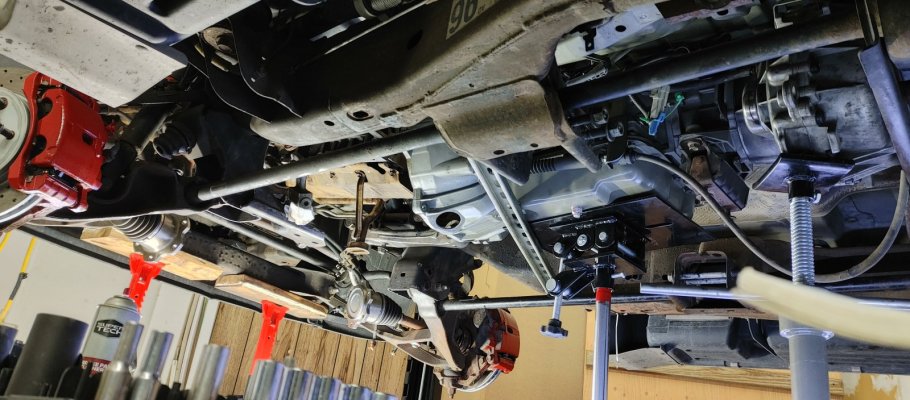
I took the time to write this because pulling a tranny and transfer case, exhaust, drivelines and all the support structures to do a Rear Main Seal is so much labor I would hate to EVER do one twice. Once is hard enough. Hope it helps.
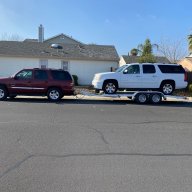
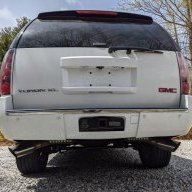
I did my 2008 GMC Yukon Denali 6.2L with the 6L80 last week. It is good now with no leaks but what a ton of work to fix a silver dollar sized oil drip.