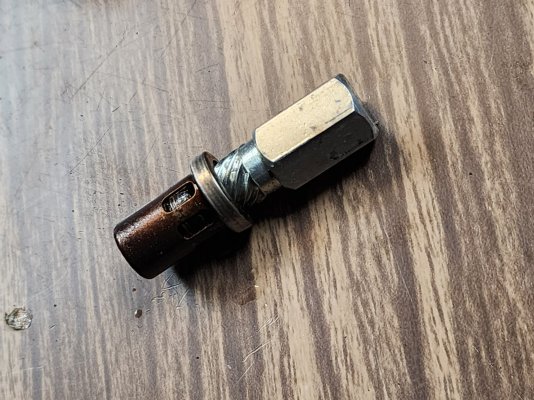
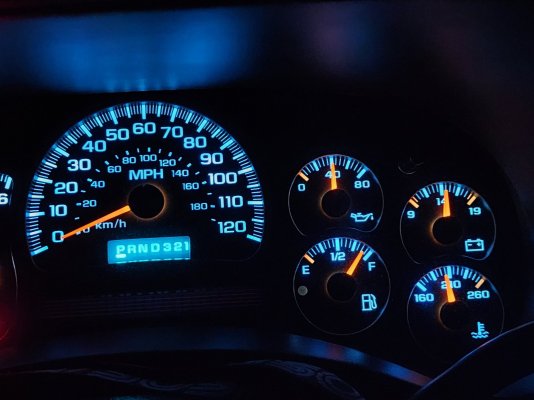
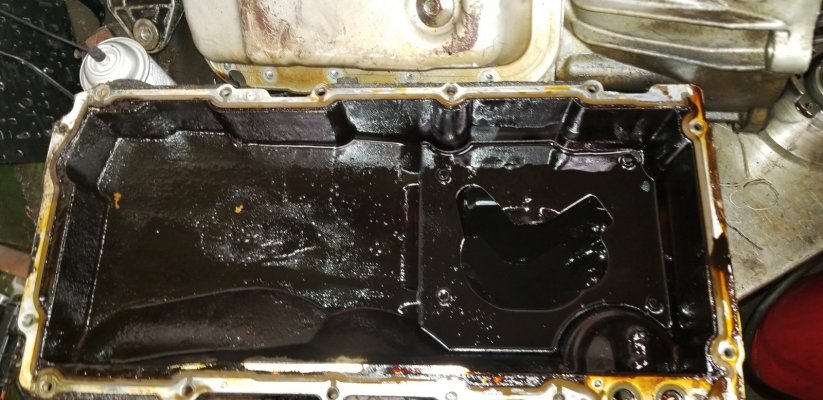
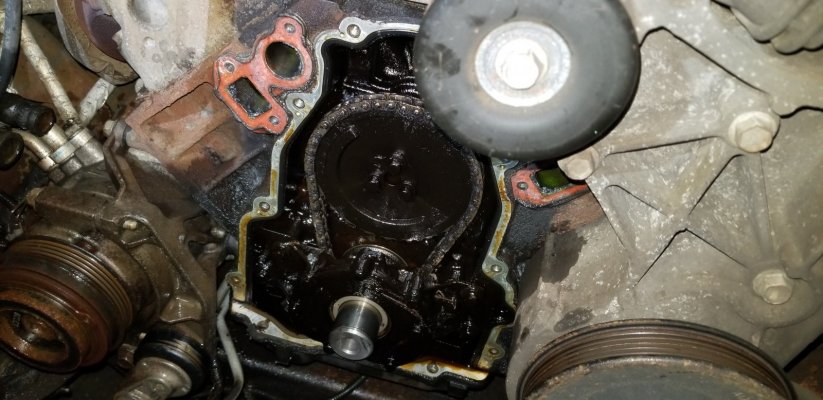
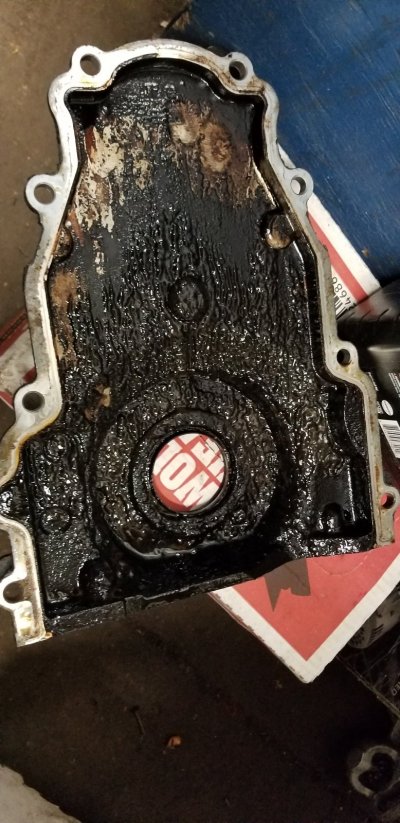
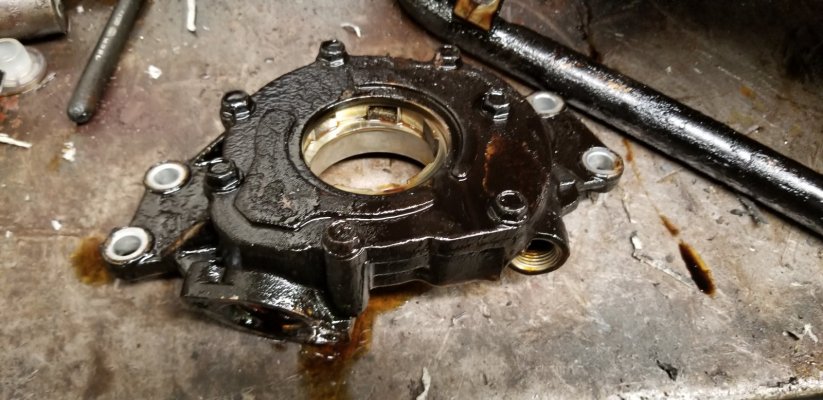
Well, there's no need for me to find and upload the pics I have cuz they're essentially identical to this. You and
@Collinmcballin having such similar experiences leads me to believe that these need to be either opened up and cleaned out by hand or slowly cleaned out over many short-interval oil changes.
Mr. Mcballin, have you any plans to remove the engine? If not, I'd suggest using cheaper, but decent oil (even Super Tech from Walmart) and filters and maybe a little engine flush (like 1/4-1/2 the bottle) and just do a lot of frequent oil changes. Maybe change it every time the average pressures are lower. I bet that, after the first few changes, you'll find that the stronger oil pressure lasts for a longer amount of time. It should improve just as the oil you're draining would get comparatively lighter. You could snap pics and record dates, etc. to document the progress.
The idea is to slowly dissolve and remove the sludge. A harsh chemical flush can break up the sludge too aggressively and clog the filter or tiny passages in the lifters, causing more harm than good. You don't wanna over-dilute ("water down") the oil with too much lightweight liquid. This is why I'm not a fan of dumping a whole bottle of Seafoam into the crankcase. Modern oils have detergent packages to keep sludge at bay. But, that's more of a maintenance function with an engine that's already up to par. Yours needs help to get to that point so I'm thinking a light dose of a cleaner would be okay. Just keep an eye on it and change it as soon as you notice the pressures acting up again.
The flip side to all this is the time and money cost of the frequent oil and filter changes. You'd have to decide to either do it this way or pull the engine and hand-scrub it. You'd be able to re-seal it, although the only seals not fresh at this point are the rear cover and rear main. So, maybe pulling it would be excessive in your case.