2006Tahoe2WD
Full Access Member
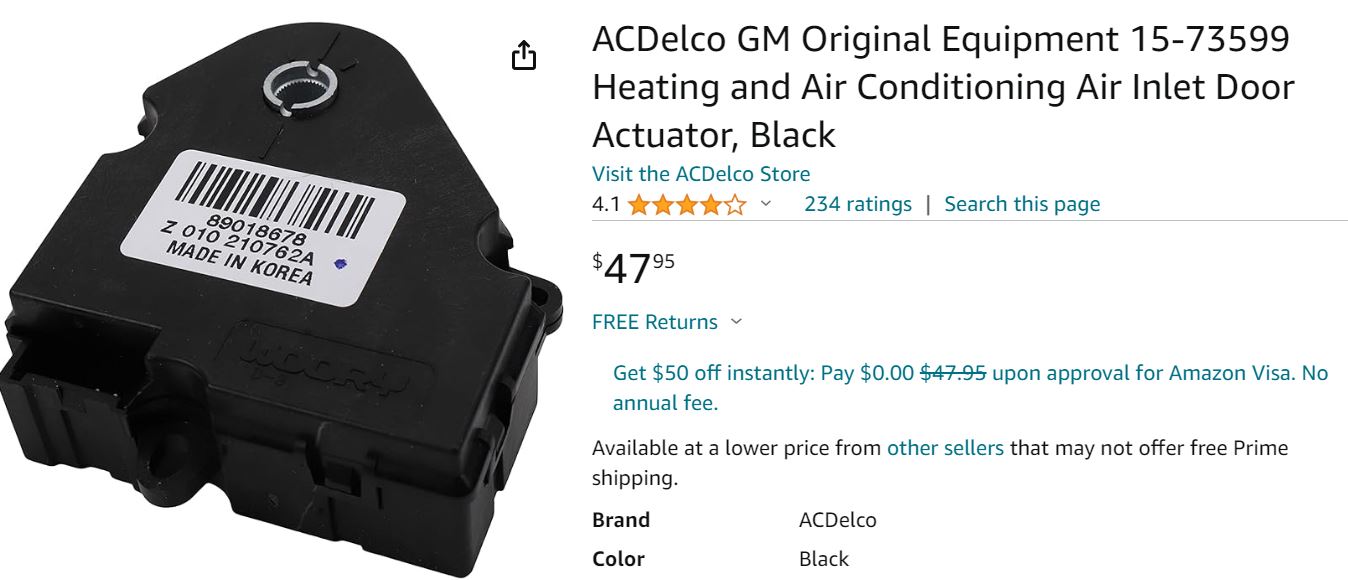
I ended up ordering this one.

Disclaimer: Links on this page pointing to Amazon, eBay and other sites may include affiliate code. If you click them and make a purchase, we may earn a small commission.

I probably won't consider cutting the floor but it is tempting. Consider the downsides of dropping the tank down compared to a cut in the floor.On the cutting the floor topic. I did that on my old 2 door S-Blazer, as dropping the tank on it was a pain with the aftermarket( see homemade) skid plates. But I did go to the junkyard and cut a larger patch piece to put over the hole. It actually overlapped each side by a good 2 inches. Would not do to my current Tahoe as it is still virtually rust free. But 10 years from now, all bets are off lol
I'd find it hard to believe that there are to ECT sensors. Where would the second one be located?
I went on a drive (over highway 17 and back) and the temp. stayed steady. The temp. did drop a bit on 5-6 mile downhill but not much. I think filling and burping the cooling system did the trick. If that's it - the easiest fix I've ever completed. At this point the DIY gods owed me that.
No new codes are showing up. However, I do see my long term fuel trims are at +9% during idle. I don't think the fuel filter or fuel pump has ever been changed (180k miles). I'm considering doing a fuel pressure test to start with. Also I plan to rig up my scanner with long and short trims showing and drive around to see if the engine goes lean requiring more positive trim.
Thanks much for this.If the positive trims at idle is something that just started happening, re-check the intake plumbing. If the intake tube between the MAF and the throttle body has any leaks, that will cause unmetered air to enter the system (like a vacuum leak). What are the short term fuel trims looking like when the LTFTs are positive?
Agree to document the fuel pressure with the standard tests. Regulated fuel pressure should be around 43-45 psi at idle.
A couple other things to check with a warm engine:
- read the MAF g/s at idle, that should be approximately the same as the engine displacement in liters (e.g., 4.8, 5.3, etc.)
- read the short term fuel trims at idle, then at 1800 or 2000 rpm. If they're very positive at idle but go down with higher rpms, start looking for a vacuum leak.
- are the upstream O2 sensors reacting and voltages moving between 0.1 and 0.9v?
Thanks much for this.
Yesterday I ran the engine in the driveway watching the LT and ST trims. The short term trims were bouncing around 0, e.g. up to the range of +/- 3% but mostly +/- 2%. The LT trims were +9 and +10 and then went to both at +9%.
I will retest per your instructions and borrow the fuel pressure test kit from Autozone. I have a fuel pressure gauge but I don't think I have the right adapter.
Thanks again.
On scanners where you can't change units, simply "Google" 0.01 lb/sec to grams/sec.At idle my scanner reads 0.01 lb./sec. and 2400 Hz. I don't see a grams/sec. option.
I went on a drive and watched the LTFTs. Nothing too crazy - some 4-5 and a couple times +10%. I need to dive in and take a fuel pressure reading.


