VVT, DOD & DI are all technologies that provide additional tuning benefits, but that add complexity expense & failure points to the engine without a benefit significant enough to compensate for it.
As these technologies were added to the LS the engine became less reliable but removing that tech was easy & restored the former benefits to the engine;
if the LT is to ever become a staple like the LS it will be because of the ability to affordably ditch the unreliable aspects & simplify the processes back to a reliable engine that can handle significant performance increases without falling apart.
What works is what works, all the claims about advantages with the more involved technology never matter if the added failure points nullify the benefits.
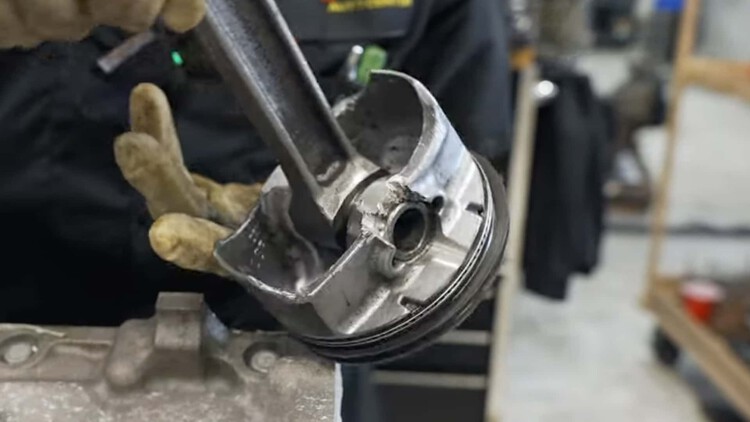
You can hit & maintain a target AFR consistently with computer controlled port fuel injection, the injectors do not need to be introduced to the combustion chamber & its DESTRUCTIVE environment to achieve a reliable AFR;
it just costs more to develop injectors that will work in a combustion environment & it reduces their lifespan to move them to the combustion chamber.
VVT can expand the optimal rpm range of the cam profile beyond a static ground cam but not without adding cost & reducing reliability to a point that nullifies the benefit,
DOD is just a gimmick to please the EPA that provides no real advantage in exchange for its failure prone design


 apple.news